
Aluminum Anodizing Services
We provide anodizing solutions for CNC-machined aluminum components, helping improve corrosion resistance, surface durability and appearance. From functional components to cosmetic parts, we support surface finish selection based on material, dimensional requirements and application needs.
Whether you need precision-machined aluminum parts, anodized structural components or custom assemblies, we coordinate machining and surface finishing according to your drawings and application requirements.
Share your drawings, material specifications and surface finish requirements with us. We will review the key technical considerations and help identify a suitable manufacturing approach for your project.

What Is Aluminum Anodizing?
Anodizing is an electrochemical process that forms a controlled oxide layer on the surface of aluminum parts. Unlike paint or conventional plating, the oxide layer is formed from the aluminum itself.
Depending on the process and coating specifications, anodizing can improve corrosion resistance, surface hardness and wear resistance, while also providing a range of decorative finishes.
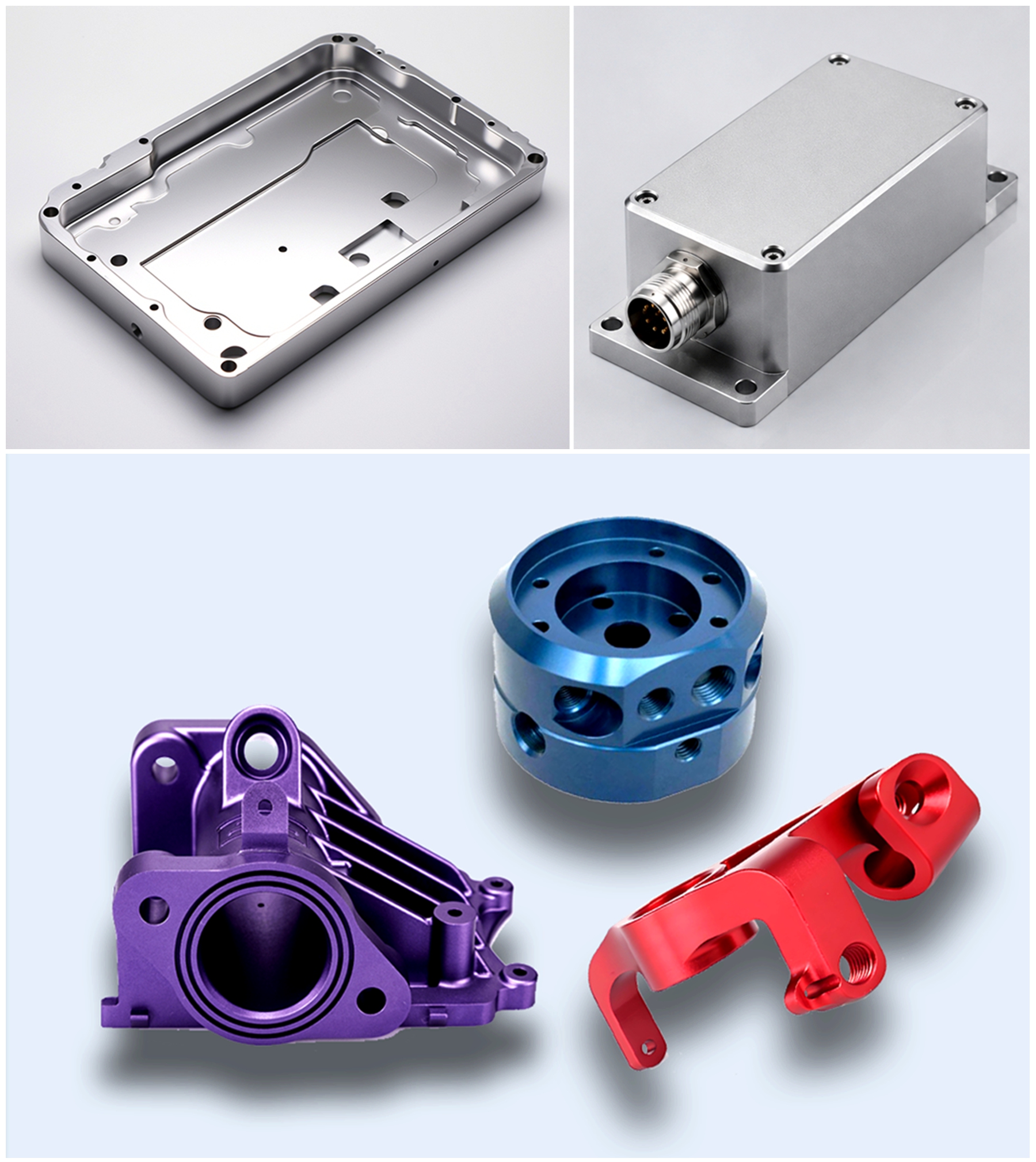
CNC Machining & Anodizing Integration
Anodizing is more than a final finishing step. For precision aluminum components, include the machining process, surface preparation and anodizing must work together to achieve the required dimensions, appearance and performance.
We provide CNC machining and coordinated anodizing services for aluminum alloy parts, considering these critical dimensions, surface finish, functional interfaces and assembly requirements from the early stages of production.
By planning machining and surface treatment together, we help reduce dimensional issues, improve finish consistency and simplify the manufacturing process for custom aluminum parts.
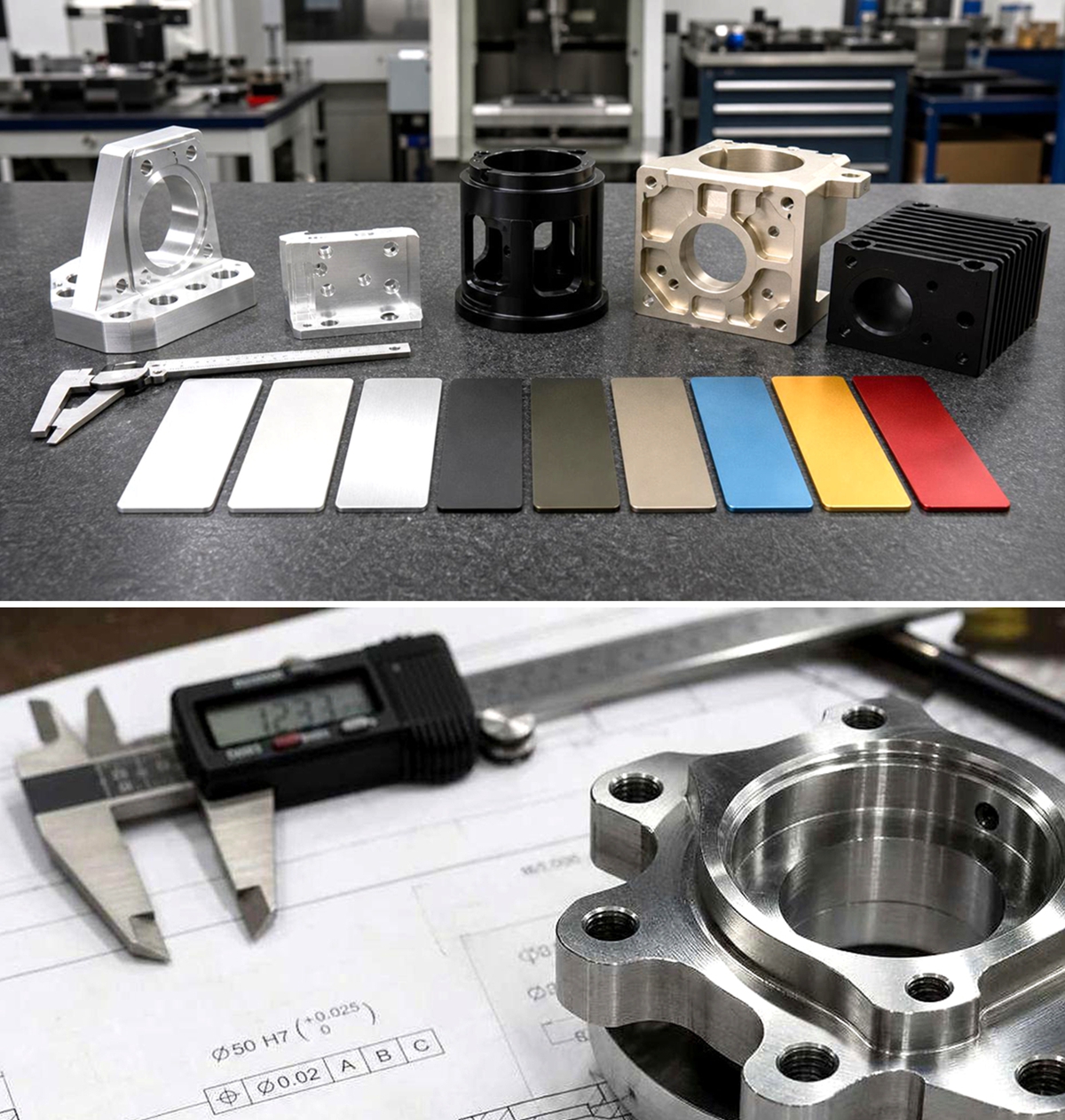
Dimensional Control After Anodizing
Anodizing changes the surface dimensions of aluminum components as the oxide layer forms on the material.
For precision parts, critical dimensions must be considered before machining begins. Depending on the required coating thickness and component geometry, machining allowances, masking or post-treatment finishing may be required.
We review key dimensions, mating features and tolerance requirements to help ensure that finished components meet the agreed specifications after anodizing.
Key considerations:
Critical holes, bores and shafts
Mating surfaces and assembly interfaces
Threaded features and precision slots
Coating thickness and dimensional allowances
Masking requirements for selected areas
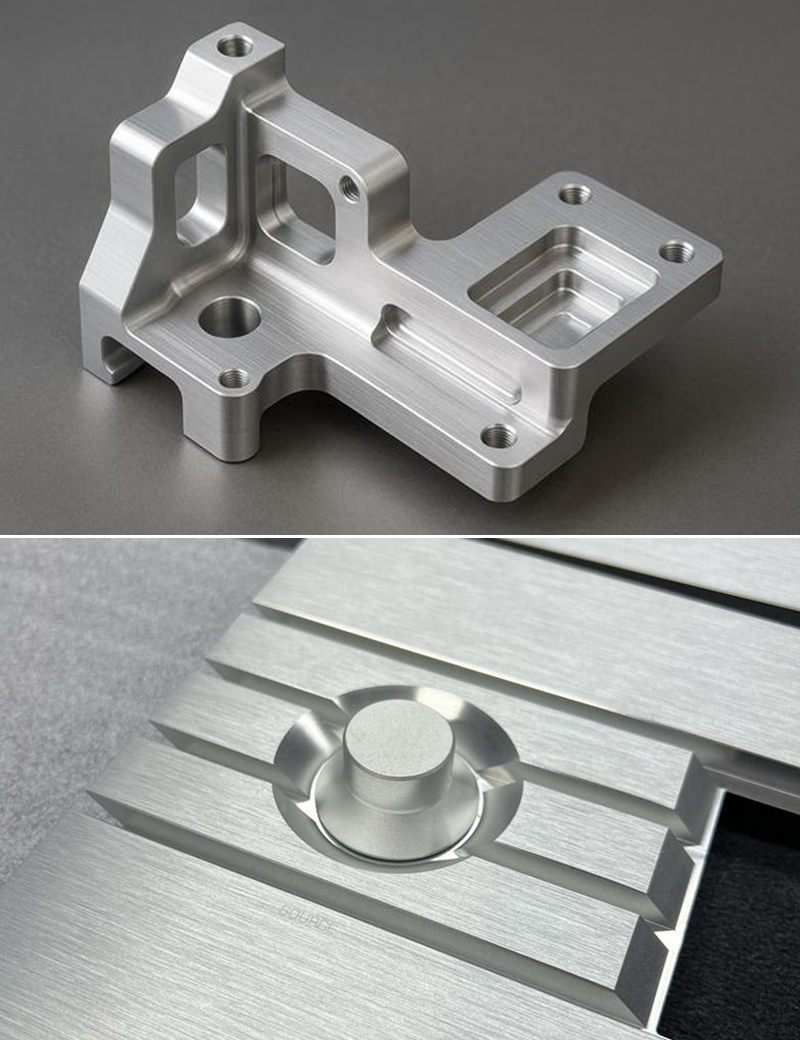
Surface Preparation & Machining Quality
The final appearance of anodized aluminum depends on both the machining quality and the surface preparation before treatment.
Tool marks, scratches, burrs and differences in surface texture may remain visible after anodizing. Where appearance is important, machining parameters and surface preparation methods should be selected according to the required finish.
We consider the surface condition at the machining stage and coordinate suitable preparation processes to achieve the intended appearance and finish consistency.
Surface preparation options may include:
CNC machining with controlled surface finish
Deburring and edge finishing
Brushing or polishing, where required
Bead blasting for a uniform matte appearance
Cleaning and preparation before anodizing
Precision, Reliability, Transparency – Every Step of Your Order
We deliver high-precision parts with consistent quality, clear communication, and timely updates, keeping you informed at every stage of production.